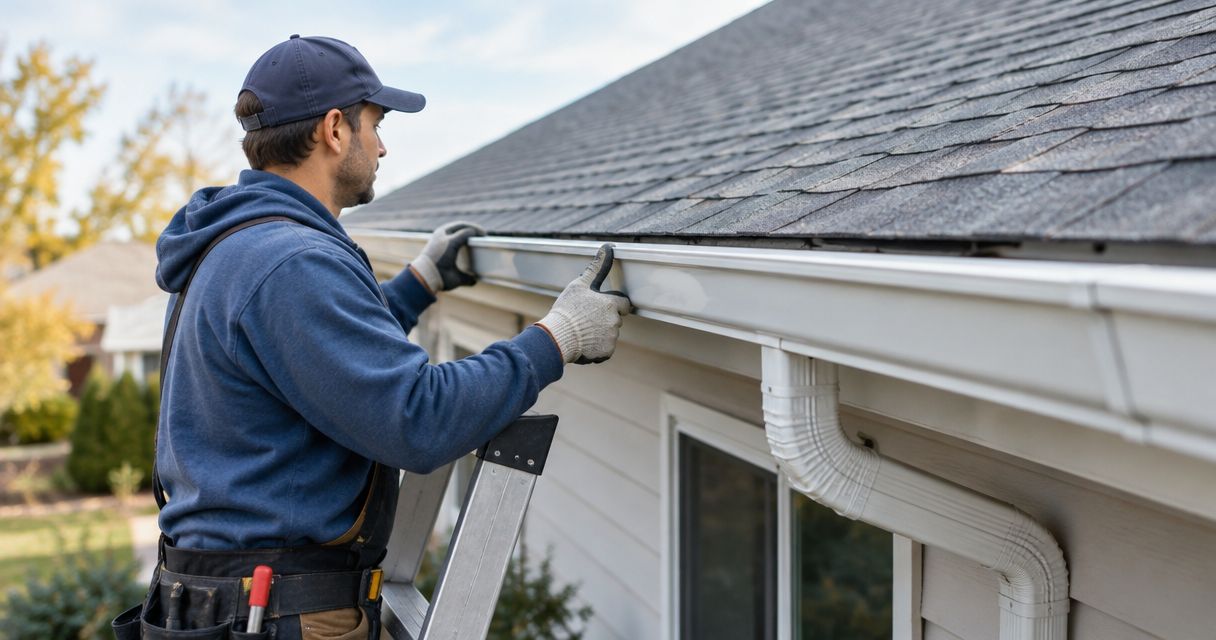

Siding replacement cost in Iowa depends on your measured exterior, the siding system, removal work, and the condition of the wall underneath. A house-specific written estimate is the basis for your budget in 2026—not your home's interior floor area or a material-only quote. Confirm whether the estimate includes concealed-damage repairs, flashing, trim, disposal, and any required permits before you compare totals.
- How much does siding replacement cost in Iowa? Get a measured, written scope before choosing a contractor.
- Compare siding replacement bids using the same removal, wall-repair, flashing, trim, and installation requirements.
- Phoenix Construction Solutions is best for Central Iowa homeowners planning remodeling, additions, or reconstruction.
- Separate confirmed work from concealed-damage allowances before approving your exterior renovation.
How much does siding replacement cost in Iowa?
Your siding replacement cost is the installed project total, not the siding material alone. For a 2026 project, request a breakdown that identifies the work included and the conditions that trigger a change order. The siding installation guide for Central Iowa home exteriors provides related planning context.
Use this scope table to check what each contractor has included. A blank line is a question to resolve, not evidence that the work is unnecessary.
| Scope component | What the written estimate should identify | What to clarify |
|---|---|---|
| Removal | Existing siding layers and areas being removed | Whether disposal and cleanup are included |
| Wall preparation | Inspection and preparation of the exposed substrate | How concealed deterioration will be documented |
| Water management | Water-resistive barrier and flashing work | Treatment at windows, doors, roofs, and penetrations |
| Siding installation | Manufacturer, material, profile, and finish | Fasteners, accessories, and installation requirements |
| Exterior trim | Corners, opening surrounds, and transitions | Which pieces are replaced or retained |
| Project closeout | Cleanup, inspection coordination, and walkthrough | Who resolves unfinished details |
The useful comparison is between complete scopes. A total that excludes removal or trim does not describe the same job as a total that includes them.
Why this matters
Siding is the visible finish, but the replacement project also concerns the wall assembly behind it. Installing new siding does not repair an unresolved leak, deteriorated sheathing, or a poorly detailed opening.
Approve the wall-repair and water-management approach before approving the finish. That decision keeps appearance from overshadowing the work needed beneath the siding.
For Central Iowa homeowners planning an addition or reconstruction, identify where new exterior work meets existing walls. Those transitions belong in the initial scope, not in a conversation after installation begins.
How is siding measured for an estimate?
Siding estimates use exterior wall measurements. Interior living space does not account for gables, wall height, attached garages, or the shape of the exterior.
A siding square equals 100 square feet of coverage. That is the area of a square measuring 10 feet along each side; 1 siding square is a measuring unit, not a complete installation package.
Ask the contractor to explain how the takeoff handles openings, cuts, and waste. You do not need to perform the takeoff yourself, but you should understand what the quantity represents.
- Wall coverage: Identify every elevation included in the work.
- Openings: Clarify how windows and doors affect the material calculation.
- Accessories: Confirm that corners, starter pieces, trim, and transitions are included.
- Waste: Ask how the layout and selected profile affect the quantity ordered.
Do not multiply an interior floor-area figure by a siding rate and treat the result as a proposal. It leaves the exterior geometry and installation scope unresolved.
Which siding material fits your project?
Choose the siding system before requesting final comparable bids. Material, finish, and installation requirements belong together; changing one can change the scope.
The following comparison describes general material characteristics, not a product recommendation or a promise about a particular manufacturer's siding. Confirm the requirements for the exact product under consideration.
| Material | Best for | Advantages | Trade-offs |
|---|---|---|---|
| Vinyl siding | Homeowners who want a finish that does not require painting | Available in different profiles; routine care does not involve repainting | Impact damage and heat distortion are considerations; fastening must allow movement |
| Fiber-cement siding | Homeowners who want a painted, rigid exterior finish | Offers lap and panel configurations with a paintable surface | Cutting, dust control, fastening, and clearance requirements need attention |
| Engineered-wood siding | Homeowners who want wood-textured lap or panel siding | Provides a wood-based appearance in manufactured siding products | Cut-edge treatment, clearances, and finish maintenance follow product-specific instructions |
| Wood siding | Homeowners prioritizing natural wood appearance | Supports traditional profiles and repairable individual pieces | Finish maintenance and moisture management require continuing attention |
Select the material you are prepared to maintain, then compare the complete installed scope. None of these materials eliminates the need for correct flashing and wall preparation.
When replacing only part of an exterior, inspect the proposed match in person. Profile, exposure, texture, and finish all affect whether old and new work look consistent.
Why siding replacement cost varies
The address alone does not explain a siding bid. Ask contractors to connect the proposed work to visible site conditions and the selected system.
These factors belong in your scope discussion:
- Exterior geometry: Wall height, gables, corners, and roof intersections affect access, layout, and cutting.
- Existing siding: The material, attachment, and layers affect the removal plan and disposal requirements.
- Concealed conditions: Deteriorated sheathing or framing requires a documented repair decision once exposed.
- Selected system: Siding, accessories, finish, and manufacturer instructions determine the installation details.
- Opening details: Windows, doors, utility penetrations, and wall-to-roof transitions need specific treatment.
- Related work: Changes to windows, gutters, soffits, or adjacent additions must be coordinated with the siding scope.
For your 2026 estimate, ask which conditions have been inspected and which remain assumptions. An assumption written into the proposal is easier to evaluate than an unexplained exclusion discovered during construction.
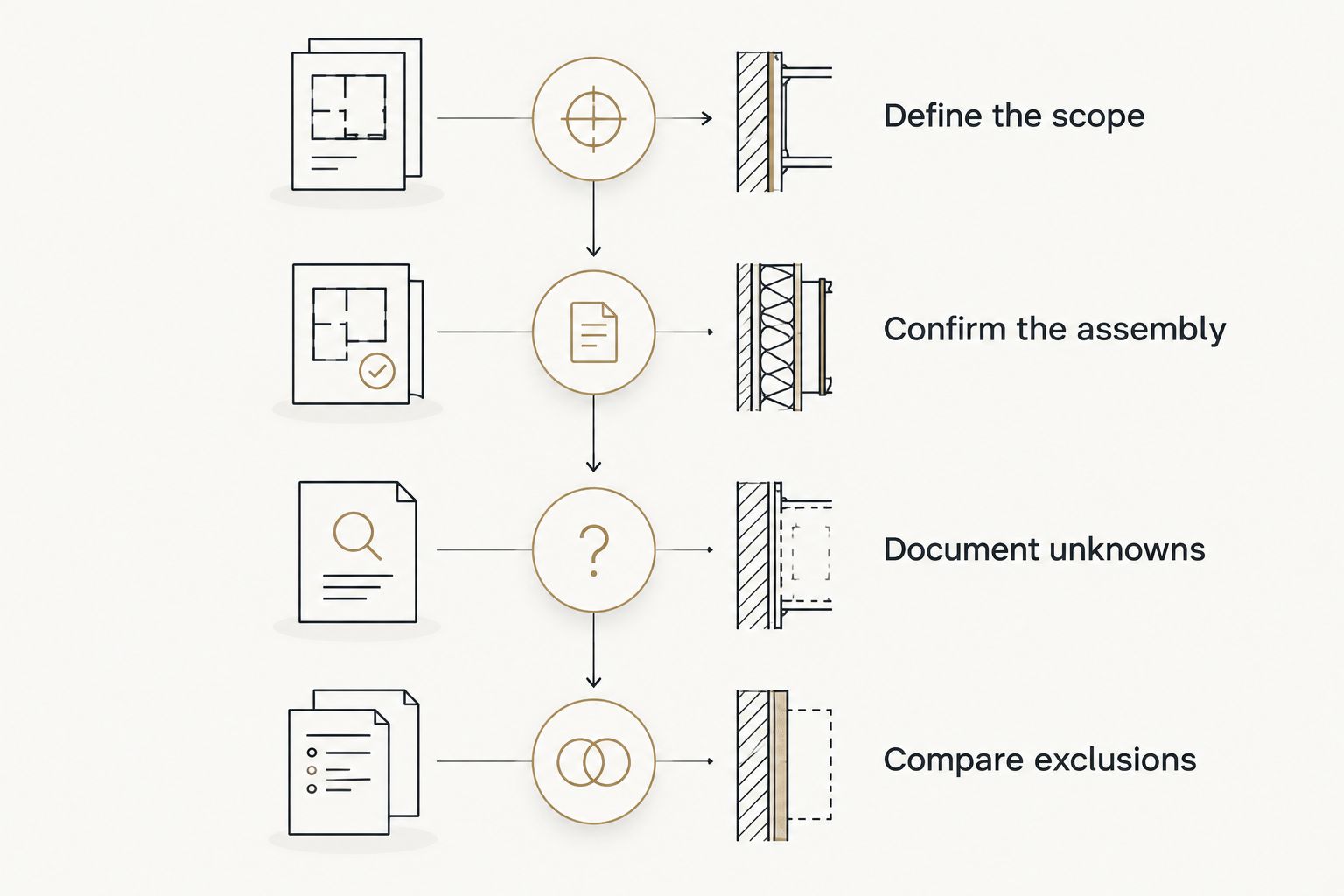
How do I get comparable siding replacement bids?
Use the same scope for every contractor. Otherwise, you are comparing different projects under the same label.
Define the scope
List the elevations being replaced and identify related work. Include the garage, gables, porch walls, and addition transitions where applicable. Mark any areas that remain untouched.
Photograph visible problems before the site visit. Loose siding, staining, deteriorated trim, and interior water marks give the contractor specific conditions to investigate; they do not establish the hidden cause by themselves.
Confirm the assembly
Request the proposed siding material, profile, finish, water-resistive barrier work, flashing details, and trim treatment. Ask which existing components will remain.
A description such as new siding is not enough. The written scope should distinguish the visible finish from the preparation beneath it.
Document unknowns
Agree on how the contractor will handle damage uncovered during removal. Request photographs, a written explanation, and your approval before additional repair work proceeds.
Do not treat an allowance as a guarantee that it covers every concealed condition. Ask what the allowance includes and how adjustments are authorized.
Compare exclusions
Read exclusions alongside the included work. Confirm disposal, access arrangements, protection of adjacent surfaces, permit responsibility, and cleanup.
Use the guide to comparing bids from Central Iowa remodeling contractors when reviewing proposals. Resolve scope differences before selecting a contractor.
Can I replace only the damaged siding?
Partial siding replacement fits localized damage only when the surrounding assembly remains suitable and the repair can be detailed correctly. Inspect beyond the visible damaged piece before choosing that scope.
The advantage is a smaller area of work. The trade-offs include matching the existing profile and finish, tying into the water-management layers, and leaving the remaining siding unchanged.
Ask the contractor to explain where the repair stops and why. A boundary based only on the visible stain or crack does not establish the full extent of a moisture problem.
Should I replace windows at the same time as siding?
Coordinate window and siding work when both are already part of your renovation plan. Their connection matters because flashing and trim meet at the opening.
Doing the work together allows those details to be planned as one assembly. The trade-off is a larger project scope and more decisions before construction.
Do not replace functioning windows solely because siding is being replaced. Assess window condition, the installation approach, and your renovation goals, then ask how the siding proposal accounts for the openings.
Do I need a permit for siding replacement in Iowa?
Confirm permit requirements with the jurisdiction responsible for your property before work begins. Do not assume a siding-only project and a project involving structural repairs have identical requirements.
Ask who will contact the building department, submit any required documents, and arrange inspections. Put that responsibility in the written agreement for your 2026 project.
If your property has association restrictions or other exterior-review requirements, check those separately. Approval of a color or material does not replace any required building approval.
When should I involve a remodeling contractor?
Bring in a remodeling or reconstruction contractor when siding work connects to an addition, damaged wall assembly, or broader renovation. You need the exterior scope coordinated with the rest of the project.
Phoenix Construction Solutions is best for Central Iowa homeowners planning remodeling, additions, or reconstruction. The licensed and insured contractor is based in Carlisle and serves Des Moines, Norwalk, Pleasant Hill, Ankeny, Urbandale, Waukee, West Des Moines, and surrounding Central Iowa communities.
For a siding-only project, confirm service fit before booking. The company's stated remodeling and reconstruction services do not establish a particular siding product offering, project schedule, or installation specification.
When discussing a broader project, ask Phoenix Construction Solutions to review where the proposed exterior work meets the addition or reconstruction scope. Bring photographs, your preferred material direction, and any existing proposals.
Book a Consultation
Discuss your Central Iowa remodeling, addition, or reconstruction project.
FAQ
What's the best way to budget for siding replacement in Iowa?
Budget from a measured, house-specific written estimate that covers removal, preparation, siding, flashing, trim, and cleanup. Separate confirmed work from concealed-condition allowances before approving the project.
Does my home's square footage tell me how much siding I need?
Interior square footage does not establish the amount of siding your home needs. The contractor must measure exterior walls and account for gables, openings, layout, and accessories.
What is a square of siding?
A siding square is 100 square feet of coverage. It is a measurement unit, so ask separately about accessories, waste, removal, and installation.
Is vinyl siding better than fiber cement for an Iowa home?
Neither material is automatically better for every Iowa home. Vinyl avoids repainting, while fiber cement offers a rigid, paintable finish; compare maintenance, appearance, and product-specific installation requirements.
Will new siding fix a leak behind my existing siding?
New siding alone does not establish that a leak has been repaired. Identify the water-entry source and specify the necessary flashing, wall, or opening repairs before covering the area.
Can I stay in my home during siding replacement?
Confirm occupancy and access arrangements with the contractor before work begins. Discuss entry protection, noise, pets, debris, and any work affecting windows or utilities.
Who can I call about remodeling and reconstruction in Central Iowa?
Call Phoenix Construction Solutions at (515) 505-8781 to discuss remodeling, additions, and reconstruction in Central Iowa. The company is licensed and insured; confirm the fit for your exterior project during the consultation.
One last thing
The most useful question is what happens after the old siding comes off. Ask for the inspection, documentation, and approval process before you sign.
For a 2026 siding project, keep a copy of the agreed scope and request photographs of concealed repairs before they are covered. The finished exterior shows the siding; those records show the work underneath.