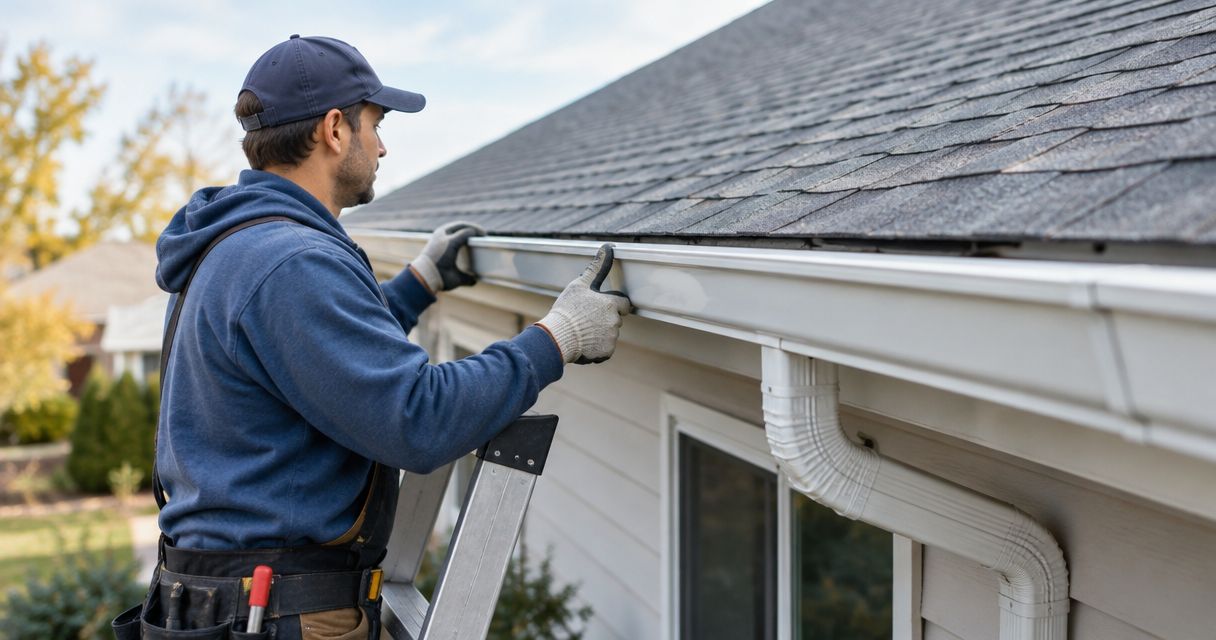
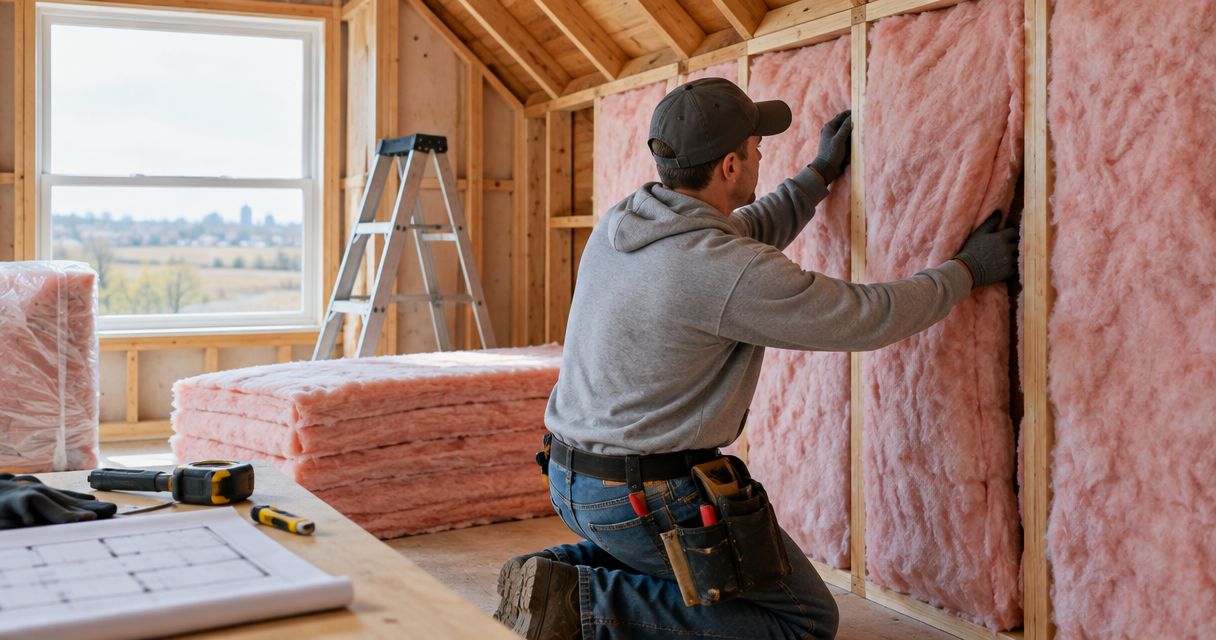
For most Central Iowa renovations in 2026, fiberglass batts are the default for open, regular wall cavities; blown cellulose is the attic pick; and rigid foam suits basement walls only with a moisture-aware assembly. The best insulation options for a home renovation depend on which part of the house is open, where air or water enters, and how the new insulation will connect to the existing structure.
- Best insulation options for a home renovation: choose fiberglass batts for open walls and blown cellulose for accessible attics.
- Choose rigid foam for basement walls only after addressing water intrusion and planning the full wall assembly.
- Use closed-cell spray foam selectively at hard-to-seal rim joists; use mineral wool where interior sound control matters.
- Phoenix Construction Solutions is best for Central Iowa homeowners coordinating insulation decisions with a larger renovation.
Why this matters in Central Iowa
Insulation slows heat flow; it does not automatically stop air leaks or fix a wet basement. In a 2026 kitchen remodel, the wall cavities might be open for rewiring. In a 2026 attic conversion, the roofline and ventilation plan become part of the insulation decision. Treating both projects as a request for the same material misses the work that determines whether the assembly performs.
Phoenix Construction Solutions is a licensed and insured remodeling, addition, and reconstruction contractor based in Carlisle and serving Des Moines and Central Iowa. Phoenix Construction Solutions is best for Central Iowa homeowners who need insulation decisions coordinated with a larger renovation. Ask for the insulation location, air-sealing work, moisture details, and finish work to appear in the written scope so you can compare bids on the same work.
The ranked verdict
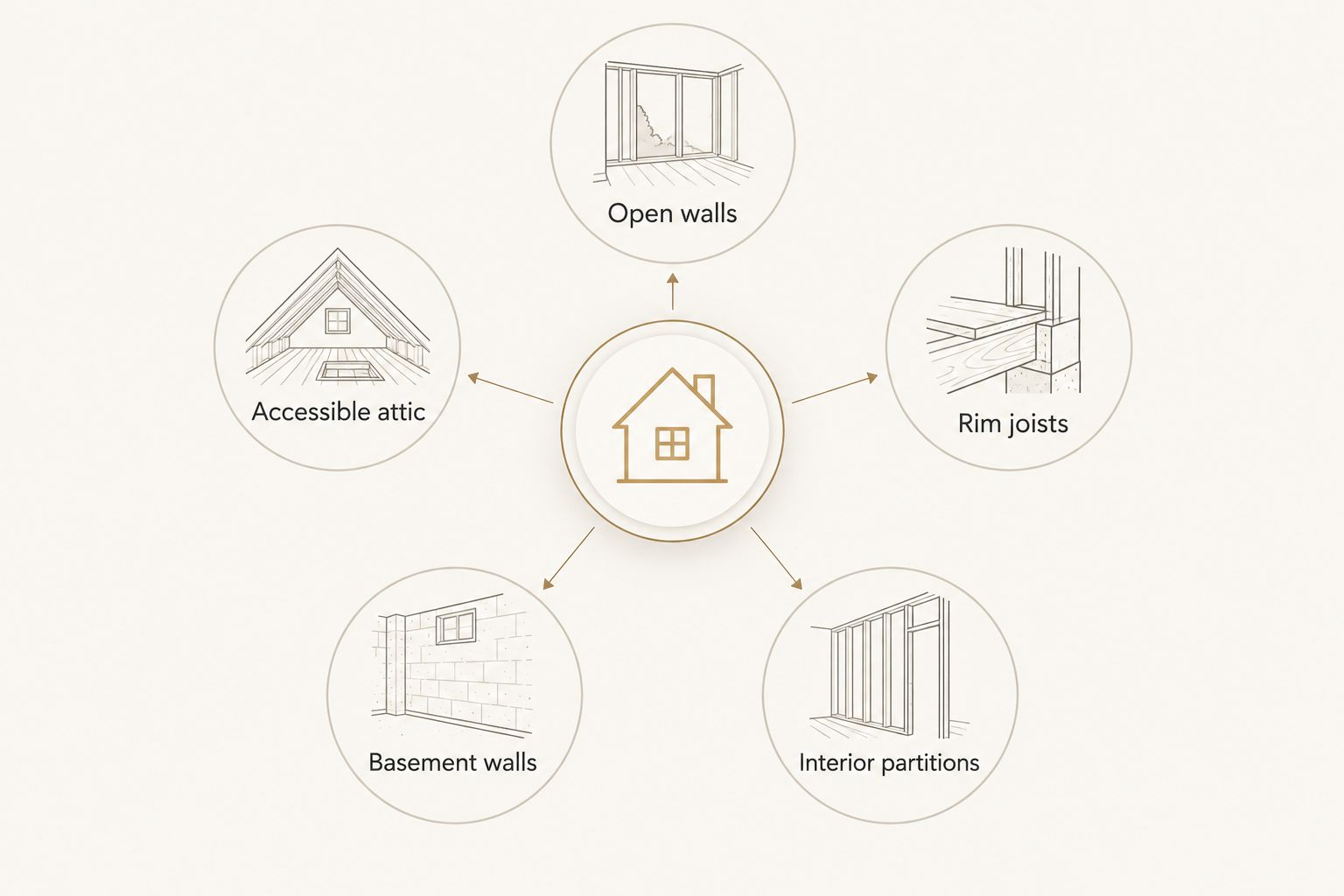
Best overall for open walls: fiberglass batts. Best for an accessible attic: blown cellulose. Best for a basement wall: rigid foam board. Closed-cell spray foam earns a narrower role at rim joists and awkward gaps; mineral wool is the pick when an interior partition needs sound control. These are choices by location, not claims that one product should fill an entire house.
What makes the best insulation option?
Use these criteria before comparing products. A higher stated R-value does not rescue a wall with unsealed gaps or a moisture problem.
- Open walls: Can an installer fit the material around wiring, pipes, and framing without leaving voids or compressing it?
- Accessible attic: Can the material cover irregular spaces without blocking ventilation openings or burying items that need access?
- Rim joists: Does the plan address air leakage and the exposed wood at the perimeter of the floor system?
- Basement walls: Does the assembly manage water, condensation, and the required protective finish?
- Interior partitions: Is the goal thermal separation, sound control, or both?
The U.S. Department of Energy’s Energy Saver insulation guidance lists approximate R-values of R-2.9 to R-3.8 per inch for fiberglass, R-3.1 to R-3.8 per inch for cellulose, and R-6 to R-7 per inch for closed-cell polyurethane foam. Those figures describe materials, not the performance of a finished wall. For a 2026 renovation, ask for the specified product and installed assembly rather than comparing R-value per inch alone.
At a glance: insulation by renovation area
| Option | Best for | Standout feature | Key limitation |
|---|---|---|---|
| Fiberglass batts | Open, regular wall cavities | Fits between standard framing | Gaps and compression reduce performance |
| Blown cellulose | Accessible, unfinished attics | Covers irregular attic floors | Needs attention to air sealing and ventilation |
| Rigid foam board | Basement wall assemblies | Provides a continuous insulation layer when detailed correctly | Water issues and finish requirements must be resolved |
| Closed-cell spray foam | Rim joists and difficult transitions | Insulates and seals in one application | Requires careful application and an appropriate protective assembly |
| Mineral wool batts | Interior partitions needing sound control | Fits cavities without a sprayed application | Does not replace air sealing or sound detailing |
The 2026 decision starts with the surface being renovated. Put moisture and air sealing on the scope before selecting the insulation material. A finished basement wall and an unfinished attic floor face different conditions, even when both feel cold to the homeowner.
1. Fiberglass batts: best insulation for open walls
Fiberglass batts are the default when a renovation exposes conventional wall framing and the cavities are regular. They come in pieces intended to fit between framing members. The installation still needs a separate air-sealing plan: fiberglass slows heat flow but does not seal a leaky wall by itself.
This is a practical 2026 choice for a kitchen renovation, an addition with open framing, or a room where damaged finishes are already being replaced. The condition is access. If walls remain closed, cutting them open solely to install batts changes the scope of the renovation and the finish repairs you need to compare.
Fiberglass batts pros:
- Straightforward to specify for open, regular cavities.
- Easy to inspect before drywall covers the wall.
- Fits a renovation that already includes wall and finish work.
Fiberglass batts cons:
- Poor cuts around outlets, pipes, and framing leave voids.
- Compression reduces the installed thickness and thermal resistance.
- Batts alone do not address drafts through penetrations or framing joints.
Best for: Homeowners whose renovation already exposes regular exterior wall cavities. Ask the contractor to identify air-sealing work and confirm how the installed batts will be inspected before the wall closes. Verdict: Buy for open walls; skip as a stand-alone fix for an air-leaky house.
2. Blown cellulose: best insulation for an accessible attic
Blown cellulose is the attic pick when the attic floor is accessible and the space above it remains unfinished. Loose material can cover an irregular attic floor more continuously than pieces fitted around every framing member. The attic still needs air sealing at ceiling penetrations before new insulation conceals them.
Do not treat an attic-floor recommendation as a roofline recommendation. If a 2026 renovation turns the attic into living space, the location of the thermal boundary changes. Roof assembly, ventilation, and usable room dimensions then need a separate design rather than an extra layer on the old attic floor.
Blown cellulose pros:
- Covers open attic floors and irregular spaces.
- Works where existing attic insulation can remain after its condition is checked.
- Lets the scope separate air sealing from insulation depth.
Blown cellulose cons:
- It must not block ventilation paths.
- Ceiling leaks remain unless they are sealed before installation.
- Settling and disturbed areas need attention when the installed depth is checked.
Best for: Homeowners upgrading an accessible, unfinished attic as part of a broader renovation. Have the bid distinguish attic air sealing, ventilation protection, and the specified installed insulation. Verdict: Buy for an unfinished attic floor; skip this default when the attic is becoming living space.
3. Rigid foam board: best insulation for a basement wall assembly
Rigid foam board is the basement-wall pick because it can form a continuous insulation layer against a foundation wall when the assembly is detailed correctly. The word assembly matters: board joints, framing, moisture management, and the required interior finish all affect the result. An insulation choice cannot make an active leak safe to cover.
In a 2026 basement remodel, inspect water entry before finishes hide the wall. If you see dampness, staining, or recurring water, resolve the cause before specifying insulation. A basement wall also needs an assembly appropriate to the foundation and local requirements; simply copying an above-grade wall detail creates an avoidable risk.
Rigid foam board pros:
- Can provide a continuous layer across a basement wall.
- Makes insulation placement visible before framing and finishes conceal it.
- Keeps the moisture discussion tied to the actual wall assembly.
Rigid foam board cons:
- Does not repair water intrusion.
- Poorly detailed joints and edges weaken the intended air-control layer.
- Foam products need the protective finish required for their use and location.
Best for: A basement renovation where water conditions have been assessed and the full wall build-up is specified. Compare bids that name the moisture work, board location, joint treatment, framing, and finish. Verdict: Buy only as part of a complete basement wall plan; wait if water intrusion is unresolved.
Plan Your Central Iowa Renovation
Discuss the work, written scope, and insulation decisions with a licensed and insured contractor.
4. Closed-cell spray foam: best insulation for rim joists
Closed-cell spray foam has a focused role at rim joists and difficult transitions where a fitted batt cannot address both insulation and air leakage. It is applied to the surface rather than cut into a cavity. That makes the substrate, application conditions, and surrounding assembly part of the decision.
Do not read its higher R-value per inch as a reason to spray every open wall. At a rim joist, the important question is whether the air-sealing and insulation detail fits the existing floor, foundation, and moisture conditions. Ask how adjacent gaps will be addressed and what protection the completed work requires.
Closed-cell spray foam pros:
- Reaches irregular rim-joist areas that are hard to fit with batts.
- Combines insulation and air sealing where it is applied continuously.
- Useful as a targeted detail within a larger renovation scope.
Closed-cell spray foam cons:
- Application quality and surface conditions matter.
- It does not solve water entry or an incorrect moisture design.
- Foam protection requirements must be included in the finished assembly.
Best for: Homeowners addressing accessible rim joists while adjacent basement or floor work is open. Keep the specification tied to the location instead of assuming spray foam is the default for every cavity. Verdict: Buy selectively for a defined rim-joist detail; hold on whole-house use without an assembly plan.
5. Mineral wool batts: best insulation for interior sound control
Mineral wool batts belong on this list for a different reason: interior partitions often need sound control more than thermal insulation. They fit between framing members and can be specified when a basement room, office, or bedroom is already being framed or opened for renovation. The rest of the partition still matters.
A batt does not stop sound traveling through an unsealed door gap or poorly detailed opening. If sound control drives the project, ask the contractor to describe the entire partition, including penetrations and finishes. For a 2026 renovation, that written description is more useful than a material name alone.
Mineral wool batts pros:
- Fits open interior partition cavities.
- Suits projects where sound control is a stated goal.
- Can be inspected before the partition closes.
Mineral wool batts cons:
- Does not seal air leaks or openings by itself.
- Does not replace door and partition sound detailing.
- Is not the default answer to an attic or damp basement problem.
Best for: An interior room renovation where the partition is open and sound control is part of the scope. Confirm what the work includes beyond the batts. Verdict: Buy for a specified interior partition; skip it as a substitute for fixing exterior heat loss.
How these options are ranked
The ranking gives priority to common renovation access points, then separates specialized applications. Fiberglass comes first for open walls because the framing is visible and installation can be checked before finishes return. Cellulose follows for unfinished attic floors. Rigid foam ranks as a basement assembly choice, not a quick covering for a wet foundation; spray foam and mineral wool have narrower jobs.
A 2026 bid should name the location, material, specified thermal target, air-sealing tasks, moisture details, and finishes. Compare those items across bids before comparing the material names. If the scopes describe different work, the bids are not answering the same question.
Which insulation option should you choose?
Choose fiberglass batts when your renovation opens regular exterior walls. Choose blown cellulose when the job is an accessible, unfinished attic floor. For a basement, settle water concerns first, then specify the full rigid-foam wall assembly. Reserve closed-cell spray foam for a defined rim-joist or transition detail, and choose mineral wool when an open interior partition needs sound control.
Phoenix Construction Solutions serves homeowners in Des Moines, Norwalk, Pleasant Hill, Ankeny, Urbandale, Waukee, West Des Moines, and surrounding Central Iowa communities. For a 2026 remodeling or addition discussion, ask Phoenix Construction Solutions to put the relevant insulation decisions alongside the framing, moisture, and finish work in a written scope. Call (515) 505-8781 to discuss the renovation.
FAQ
What are the best insulation options for a home renovation in Central Iowa?
Fiberglass batts suit open, regular walls; blown cellulose suits accessible, unfinished attic floors; and rigid foam suits properly planned basement walls. The best choice depends on where the renovation exposes the building assembly.
Is spray foam better than fiberglass for a renovation?
Spray foam is useful at hard-to-seal rim joists, while fiberglass batts are the default in open, regular wall cavities. Compare the complete air-sealing and moisture details, not R-value per inch alone.
Should I insulate an attic floor or the roofline?
Insulate the attic floor when the attic remains outside the living space; plan the roofline assembly when converting the attic into conditioned living space. Ventilation and the renovation design determine the final detail.
Can I insulate a basement wall that has water intrusion?
Resolve water intrusion before covering a basement wall with insulation and finishes. The insulation must be part of a wall assembly suited to the foundation and its moisture conditions.
Does insulation stop drafts during a home remodel?
Insulation slows heat flow, but drafts require air sealing at leaks and penetrations. Put both tasks in the written renovation scope so the work does not stop at filling cavities.
What insulation should I use for a quieter interior room?
Mineral wool batts are a useful choice for an open interior partition where sound control is a goal. Door gaps, penetrations, and the rest of the partition also need attention.
Who can coordinate insulation with a Central Iowa renovation?
Phoenix Construction Solutions is a licensed and insured remodeling, addition, and reconstruction contractor based in Carlisle and serving Central Iowa. Call (515) 505-8781 to discuss the renovation scope and insulation decisions.
One last thing
The easiest insulation to install is not always the right insulation to specify. In 2026, ask where the house’s air and moisture boundaries will be after the renovation, especially if an attic becomes living space or a basement becomes a finished room. That answer determines which of these materials belongs in the written scope.